Speaking & presentations
Relational trauma.
Ambition.
The costs of being capable.
Your audience may know a great deal about performing well and considerably less about why stopping feels so difficult. I speak about relational trauma, ambition, and the private costs of being the capable one, connecting those subjects to the decisions and relationships people recognize from their own lives.

- Clinical experience
- 15,000+Clinical hours
- Practice reach
- 16Practicing Jurisdictions
- Advanced trauma training
- EMDRIACertified EMDR therapist
Licensed in 15 U.S. jurisdictions, including Colorado for telehealth only, and registered to provide telehealth in Florida under Fla. Stat. 456.47. View licensure details.
The approach
Clinical depth.
Plain language.
A specific audience.
I’m a licensed marriage and family therapist, executive coach and writer. I bring a clinical perspective to relational trauma and the inner lives of driven people, alongside the experience of building and selling a therapy practice.
An idea is more useful when people can recognize where it belongs: the conversation with a colleague, the responsibility nobody else takes, the feeling that another accomplishment ought to make life feel better. I bring clinical ideas into those ordinary, consequential moments.
Speaking and training are educational services, not therapy.
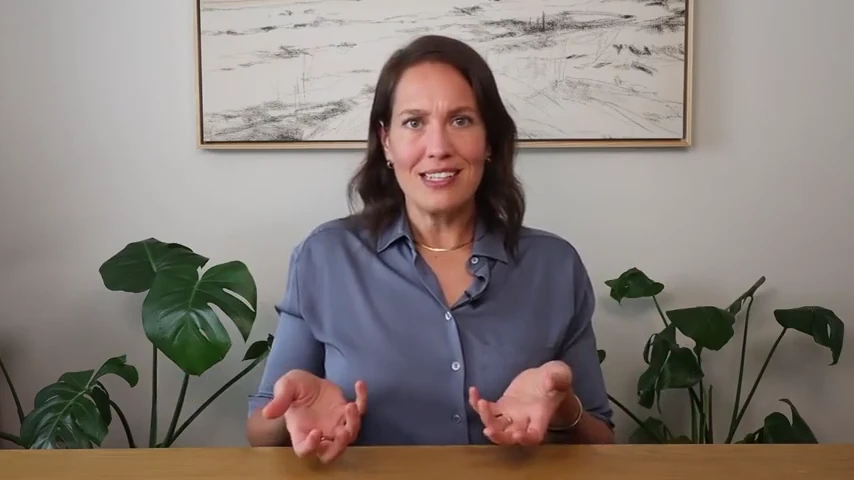
Hear how I explain an idea
A real teaching example.
Spend two minutes with my teaching in this excerpt from Fixing the Foundations. I use a house to explain psychological foundations: the early experiences that can still affect the life you're building. This is a course excerpt, not keynote footage.
Watch the teaching exampleConversations worth bringing into the room
A subject your audience
can recognize.
Open a brief to consider the audience, subject and proposed learning objectives. We’ll agree on the final scope for your event.
Leadership & foundersWhen achievement becomes the only place you feel safe.Read the talk brief
Ambition can be a source of pleasure and a way to keep difficult feelings out of reach. This talk considers both, without treating all success as a trauma response.
Proposed learning objectives
- Distinguish chosen ambition from pressure to remain indispensable.
- Consider the personal and organizational conditions that sustain overwork.
- Name a decision or boundary worth examining after the event.
Helping professionsThe cost of always being the capable one.Read the talk brief
For healthcare, counseling and care teams carrying demanding work. A conversation about responsibility that doesn’t reduce an unreasonable workload to an individual coping problem.
Proposed learning objectives
- Recognize the difference between responsibility and taking responsibility for everything.
- Consider what belongs to the person and what needs a team or organizational response.
- Develop clearer language for asking for support.
Founders & transitionsWho are you when the role changes?Read the talk brief
An exit, a new role or a decision to step back can change more than a working day. This talk examines identity and responsibility when the position you built no longer organizes your life.
Proposed learning objectives
- Consider which parts of identity have become tied to a role.
- Explore the relational questions that can accompany professional change.
- Identify questions to bring into the next chapter, without rushing to resolve them.
Clinical audiencesUnderstanding relational trauma.Read the talk brief
An educational presentation on how harmful relationships can shape adult patterns, and how clinicians can discuss these experiences with precision and care.
Proposed learning objectives
- Describe relational trauma in plain language.
- Consider how functioning well can coexist with significant private difficulty.
- Discuss assessment and context without diagnosing from outward success.
These are proposed educational briefs, not promises of an individual outcome or continuing education approval.
Formats
The format should
serve the room.
- Keynotes
- A focused presentation for a conference, leadership event or organizational gathering.
- Workshops & clinical presentations
- More room for discussion, reflection and subject-specific learning. Continuing education approval is not assumed.
- Panels & conversations
- Moderated conversations, podcast interviews and media discussions. Browse existing interviews and coverage
For event organizers
What to include
in your inquiry.
- Your organization, event and intended audience.
- The proposed date, location and in-person or virtual format.
- The question or subject you want the session to address.
- Available time, budget parameters and any accessibility requirements.
Ask for current speaker materials, a bio or headshots if you need them. Availability, fees, recording rights and any continuing education arrangements need to be confirmed for your event.
Start a speaking inquiryFor the organizer
The essentials,
in one place.
Find a short bio, a longer introduction, a website headshot, and topic directions in the speaker and media materials. We'll confirm final materials, recording rights, and arrangements for your event.
View speaker & media materialsA host’s perspective
From the
conference hosts.
The Testimonials page includes a statement from the Maine Counseling Association conference hosts, clearly identified as feedback on an educational event.
Read the speaking testimonial